
Residential design
Residential design
Five project types, and on almost every one of them the block decides more than the brief does.
Residential planning in NSW has changed more in the last two years than in the twenty before it. Dual occupancy became permissible across virtually every R2 zone in the state. Terraces, manor houses and multi-dwelling housing became permissible near centres and stations. Blocks that were single-dwelling sites in 2024 are now something else, and most owners have no idea.
What hasn't changed is that the answer is site-specific. Two blocks on the same street, one 40 m² larger, can have completely different options.
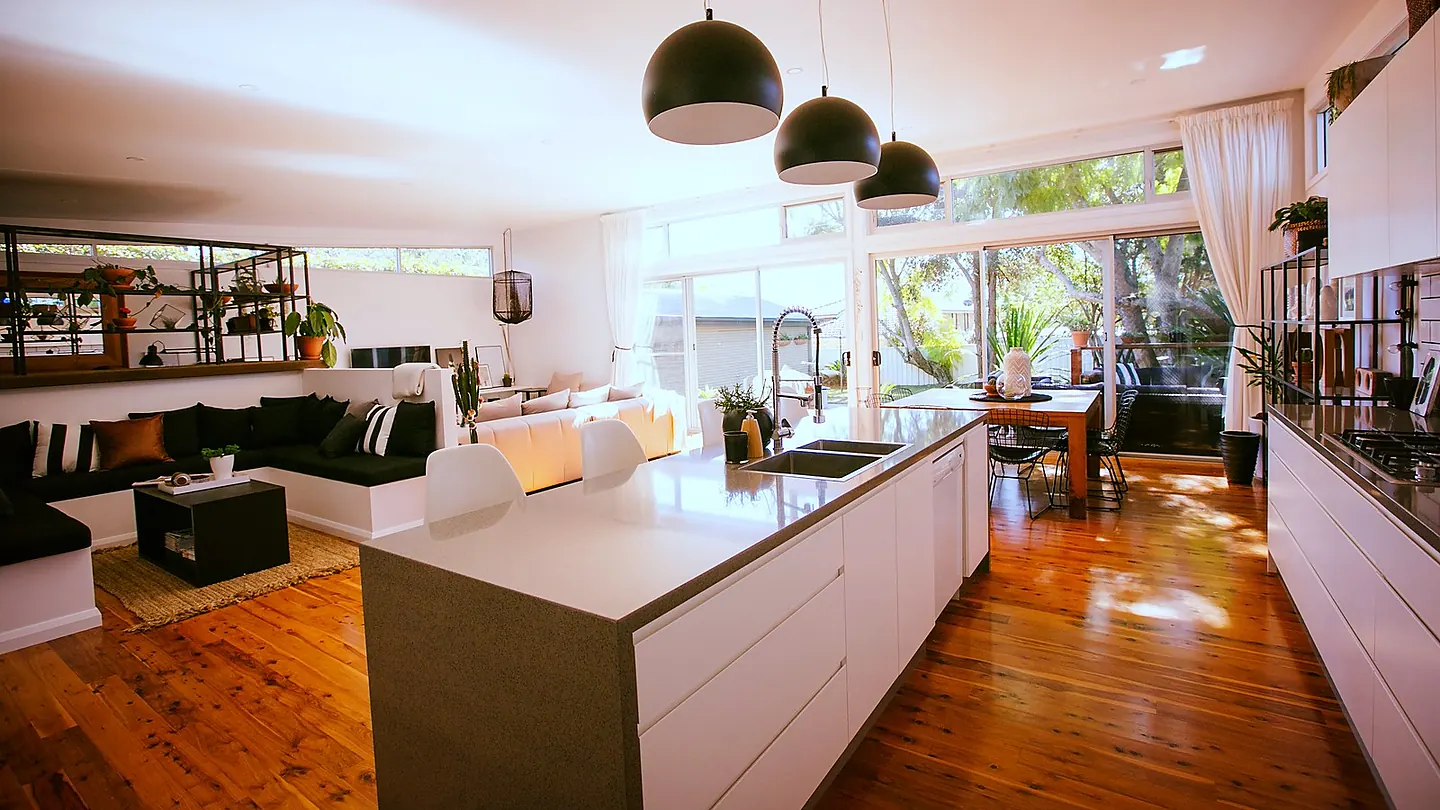
What we design
Alterations and additions
Extending, adding a second storey, reworking a plan that no longer suits. The most constrained work we do, and the most common.
Alterations and additions →New dwellings
Knockdown rebuilds and new houses on vacant land, designed inside the envelope the code or the LEP allows.
New dwellings →Dual occupancy
Two dwellings on one lot, attached or detached — now permissible in R2 state-wide, and often subdividable.
Dual occupancy →Granny flats and secondary dwellings
A self-contained dwelling on the same lot as the house. Its own pathway, its own standards, and frequently a CDC.
Granny flats and secondary dwellings →Multi-dwelling and LMR
Terraces, manor houses, multi-dwelling housing and residential flat buildings, where the low- and mid-rise reforms have made them permissible.
Multi-dwelling and LMR →Not sure which applies?
That's the usual position. A site review tests the block against every option and tells you which ones are actually open.
Feasibility and site reviews →The order we work in
Pathway, then envelope, then design. Never the other way around.
A scheme drawn before anyone has checked the controls is a scheme that will be redrawn. We establish which approval route is open, what the site's constraints impose, and what envelope the standards actually permit — and then design inside it. The result is less exciting to look at in week one and considerably cheaper by month six.
Where the envelope won't carry what you wanted, you find out at the start. Sometimes that means a different scheme. Occasionally it means don't buy the block.
Start with the site, not the plans
Send us the address. We'll tell you what it can carry before you commit to anything.