17 November 2025
Exempt Development in NSW – What You Can Do Without Council Approval
If you’re planning small works around the house, you might not need a DA or even a CDC.
Under NSW’s planning system, some low-impact works are classed as exempt development, meaning they don’t require planning approval as long as they meet strict standards in the State policy.
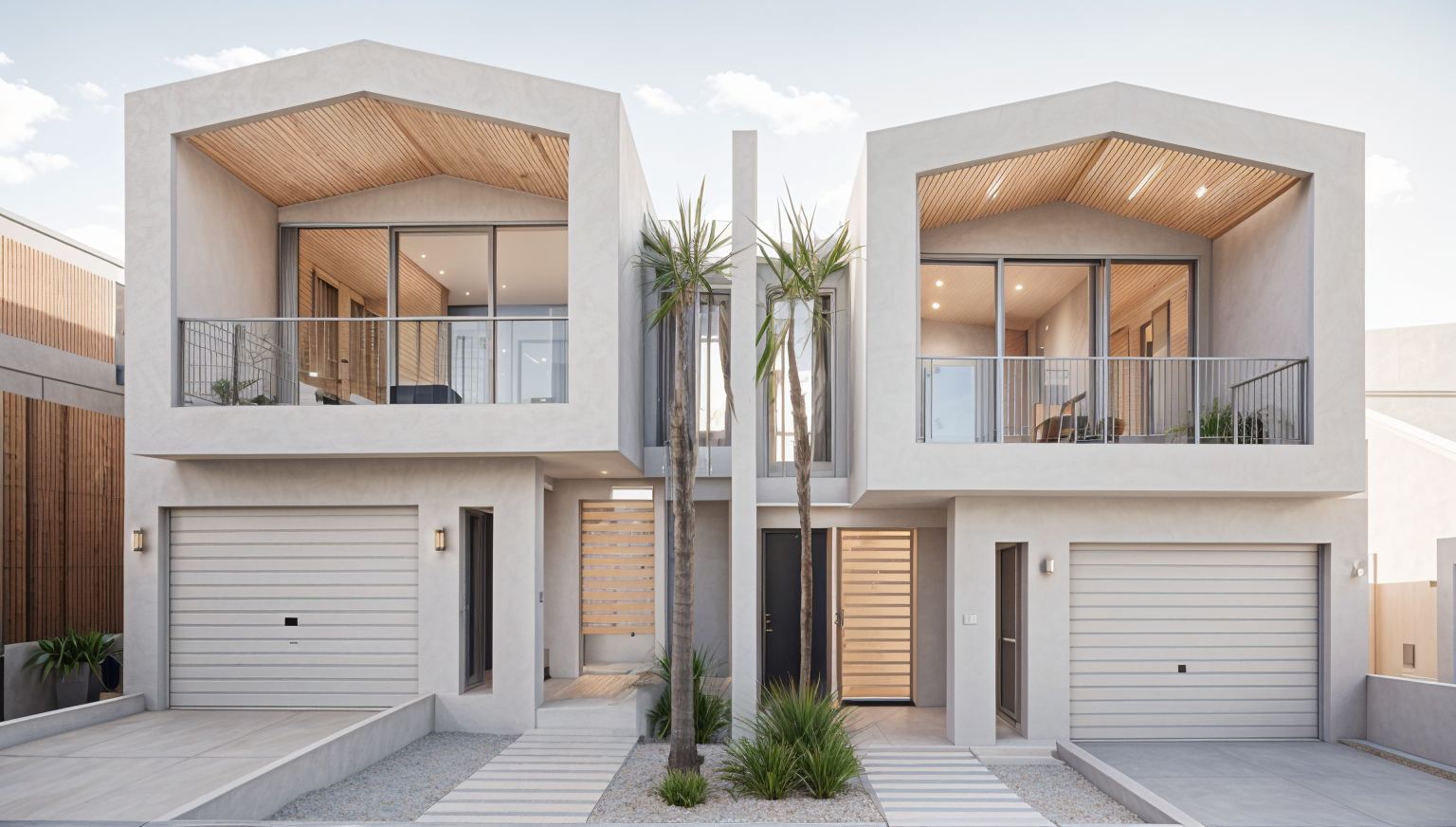
This guide explains what exempt development is, common examples, and the traps to avoid.
What Is Exempt Development?
Exempt development is development that has minimal environmental impact and can be carried out without planning approval, provided it complies with all relevant standards in the Exempt and Complying Development Codes SEPP and other applicable legislation.
Important points:
- You still must obey the detailed size, height, location and safety rules.
- Exempt works must comply with the Building Code of Australia and other relevant codes.
- If you don’t meet the exempt development criteria, you may need a CDC or DA instead.
Common Examples of Exempt Development for Homeowners
The exact list is long and detailed, but typical exempt works (where standards are met) can include:
-
Small decks, pergolas and awnings
-
Garden sheds and some minor outbuildings under a size/height limit
-
Fences and privacy screens within certain height/location limits
-
Minor internal alterations that don’t affect structure or fire safety
-
Some air-conditioning units, rainwater tanks and solar hot water systems Each type has specific rules about:
-
Maximum height and area
-
Setbacks to boundaries
-
Location relative to easements and sewers
-
Heritage, bushfire and flood constraints
When You Can’t Use Exempt Development
Your project won’t be exempt if:
- The land is excluded (e.g. certain heritage, critical habitat or environmentally sensitive areas)
- You exceed the size/height/placement limits in the Code
- The work affects structural elements or fire safety in a way that needs certification
- You’re within certain distances of a main road, rail corridor or significant infrastructure In those cases, you’re likely looking at complying development (CDC) or a DA instead.
Why Homeowners Still Get Caught Out
Common mistakes:
- Relying purely on “what the neighbour did”
- Using generic internet advice that doesn’t match current NSW codes
- Building first, checking later – and then facing a complaint and a council letter Because the Codes SEPP is updated regularly, what was exempt a few years ago might have different standards today.
How Planland Can Help With Exempt vs Approval
Planland can:
- Quickly check if your idea fits exempt development rules
- Flag where a CDC or DA is safer
- Coordinate with your designer so you don’t accidentally design outside exempt limits For small projects, a short planning check can save you from a very expensive “retrospective approval” drama later.